
Malaysian civil society calls on EU to involve local communities in forest policy to better control deforestation and illegal logging in tropical forests
By Donovan Louis and Poshendra Satyal
BirdLife brings Partner in Malaysia to the table with European Commission policy-makers to share their extensive experience from engagement with local communities living in and around critical forests, as part of a civil society engagement meeting in Brussels and Paris. Two staff from Malaysian Nature Society, representing the Asia-Pacific Forest Governance project and BirdLife partnership, emphasised the importance of involving local people in developing local and national forest policy – aiming to influence the future direction of EU policy in controlling deforestation and illegal trade.
Malaysian Nature Society (MNS, BirdLife Partner) participated in the civil society engagement tour with the European Union (EU) officials in Brussels and Paris between 26-30 September 2022. The event was organized by Fern, in collaboration with BirdLife International, Centre for International Development and Training (another project partner), Environmental Investigation Agency, TRAFFIC, and World Resources Institute. There were two key objectives of the tour: (a) to enable a dialogue between EU officials and experts working on tropical forests and civil society organizations (CSOs) working on forest, land, and climate governance in West and Central Africa, South America, and South East Asia; (b) to better understand the EU’s commitments and priorities regarding tropical forests and forest peoples' rights in relation to FLEGT-VPAs (Forest Law Enforcement, Governance and Trade – Voluntary Partnership Agreements), forest protection and deforestation, including the newly proposed EU Deforestation Regulation and the Forest Partnership.
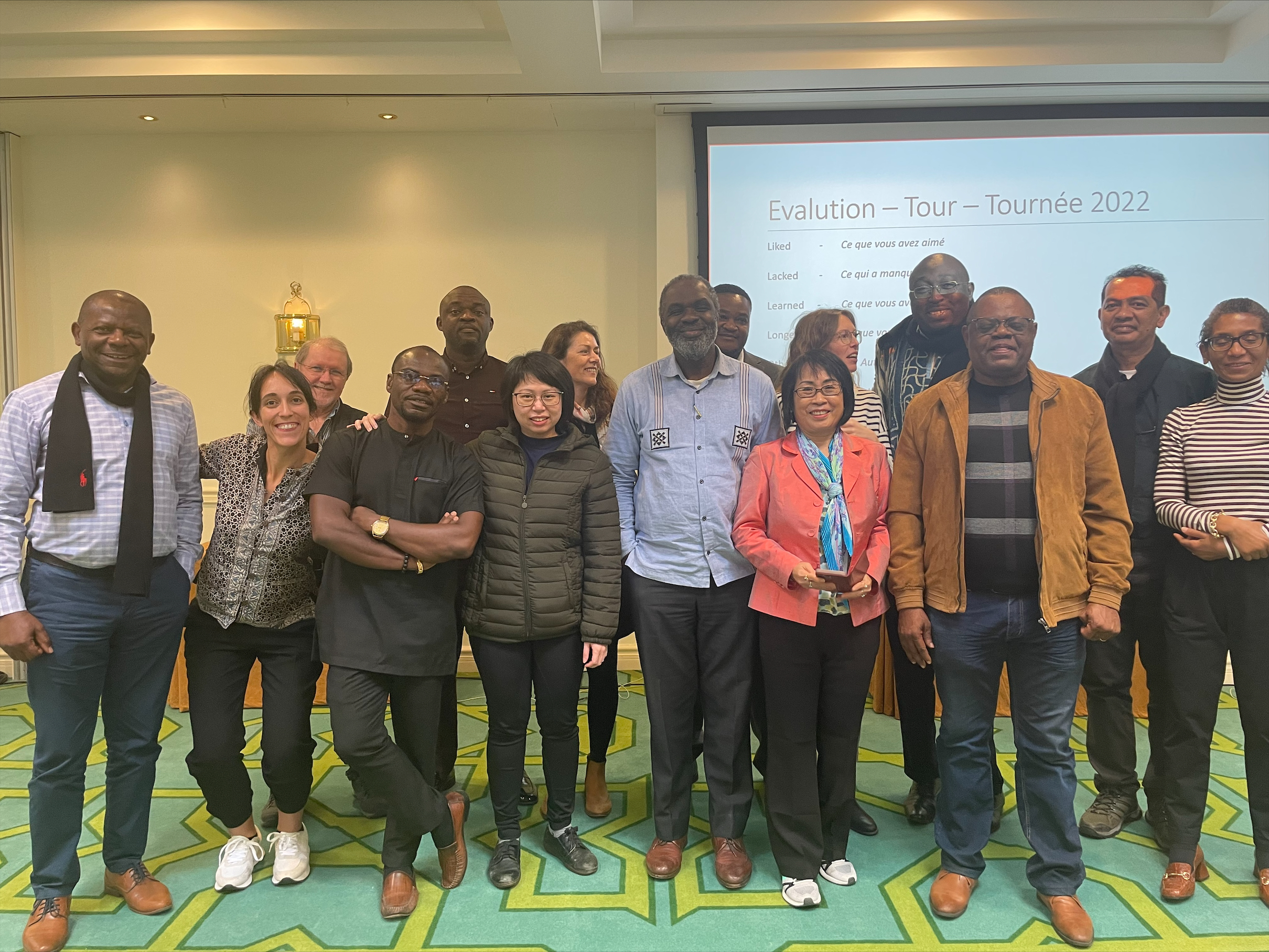
Civil society organizations from around the world participating in the engagement tour.
There were several issues that were discussed during the civil society engagement tour. To start with, CSO participants highlighted the need to have clarity on forest definitions and inclusion of other ecosystems. For this, national CSOs would provide input and advice to EU to develop general definitions and a framework to define ‘forest’ and leave it to the discretion of national countries to interpret and define ‘forest’, depending on their national contexts. CSO participants proposed that the same principle should be adopted, including compliance to related national law, policy and regulation, if EU was to create a definition for ‘deforestation’ in the newly endorsed EU Regulation on Deforestation-Free Products.
CSO representatives also highlighted an important role that they could play in undertaking the due diligence process, including forest monitoring through satellite imagery and community-based monitoring. CSOs and non-state actors can thus play a meaningful role in tackling matters related to traceability, transparency, human rights, free prior and informed consent, and access to viable information for a better forest governance.
A multi-stakeholder consultative process involving non-state actors of different kinds in producer countries is crucial in setting country benchmarking criteria and indicators for each country’s risk assessments. The consultative process can then help facilitate the different dynamics in relation to different commodities involving various producer countries in relation to EU rules and regulations. As the CSO participants highlighted, multi-stakeholders consultative process should be included as part of the monitoring of other EU rules and regulation, whichever deemed appropriate. They also pointed out that civil society space should be protected and enhanced to promote continual capacity building, democracy, complaint mechanisms and safeguarding human rights for better forest governance and transparency.
On 30th September 2022, there was a dedicated meeting organized with South East Asia CSOs (including Malaysian Nature Society, RECOFTC – The Centre for People and Forests, Centre for Sustainable Rural Development in Vietnam, among others), with the European Commission Directorate Generals for Environment and for Energy. The objective of the meeting was to raise key policy issues with regard to illegal logging of forests and the timber trade in the region, and to inquire about EU’s priorities regarding tropical forest governance and local community rights in relation to VPAs, EU Deforestation Regulation and Forest Partnership.
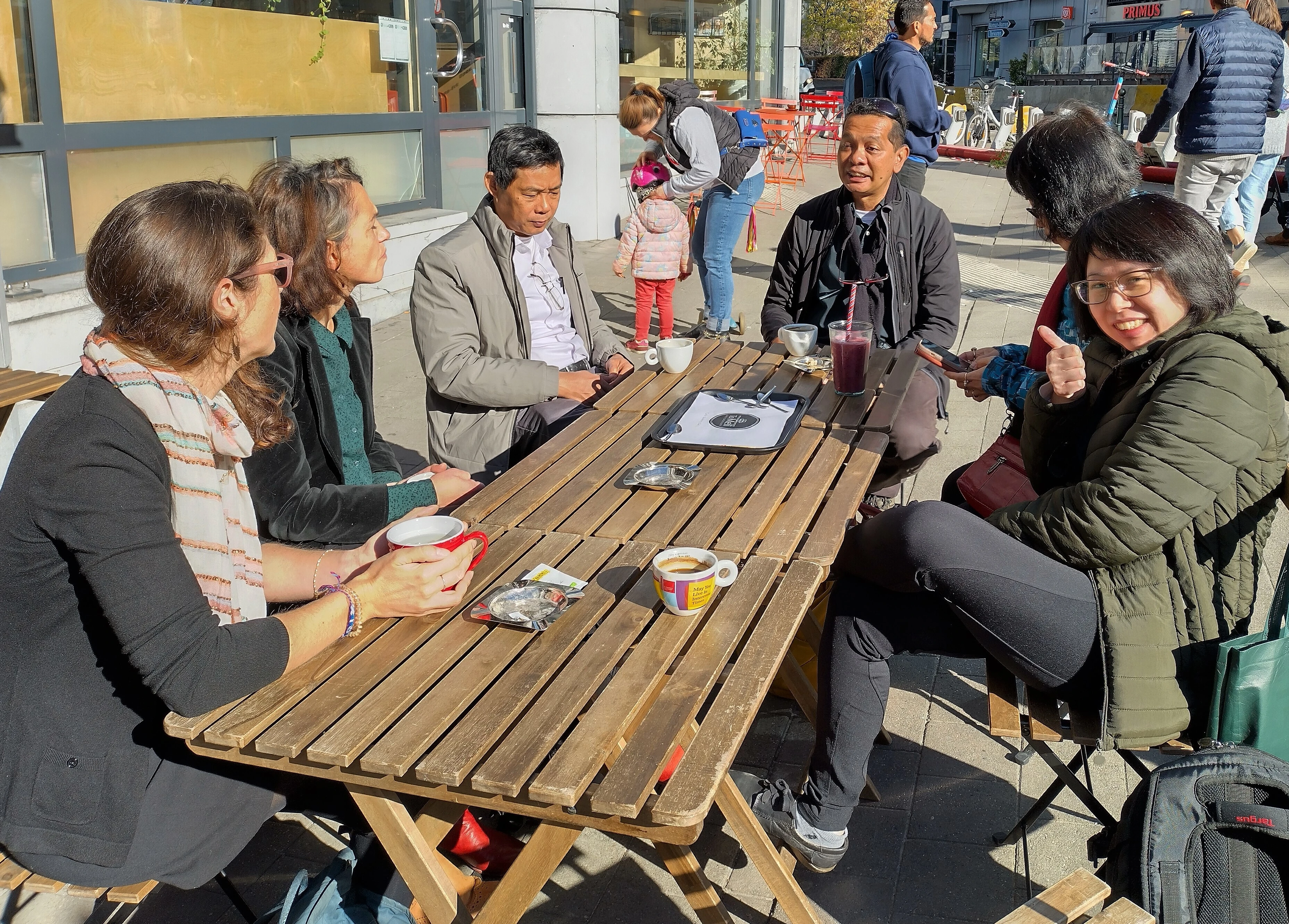
CSOs preparatory discussion before meeting with the European Commission Directorate Generals for Environment and for Energy.
MNS officials, Donovan Louis and Ee Ling, representing the Asia-Pacific Forest Governance project highlighted some of the key Malaysia-specific issues as well as other forest policy priorities in the region and worldwide.
With regard to Malaysia’s negotiation on FLEGT-VPA, it is still work-in-progress (dormant since 2014) but the country remains committed to pursuing control of illegal logging and deforestation. As part of the project, a lot of efforts have gone into capacity building and participation of CSOs, into working mechanisms and policy frameworks (i.e. monitoring of illegal logging, enhancing transparency and accountability both at the demand and supply side). New policies (Forest Partnership and EU Deforestation Regulation) thus need to be built on the strengths and experiences of VPA negotiation and implementation (including the ambitious approach that FLEGT championed over the past decade). Similarly, the new policies should be in-sync with the implementation of the post-2020 Global Biodiversity Framework, climate targets and Sustainable Development Goals in order to achieve an equitable, climate neutral, nature positive future – halting and reversing the loss of biodiversity by 2030. Additionally, it is important to mainstream forest policy efforts in line with the updating of National Biodiversity Strategies and Action Plans of the Convention on Biological Diversity, implementation of Paris Agreement (forests as nature-based solutions) of the United Nations Framework Convention on Climate Change and the last year’s deforestation pledges in Glasgow signed by more than 130 countries to halt and reverse deforestation and land degradation by 2030. The EU should also navigate through the ongoing challenges around the negotiation of VPA, particularly in relation to the different stances taken by sub-national governments and CSOs who had been tirelessly working with local communities. These considerations need to be duly noted in drafting the new regulatory measures in the changing forest policy landscape in the EU, including the updating of FLEGT-VPAs and development of the EU Deforestation Regulation and Forest Partnership.
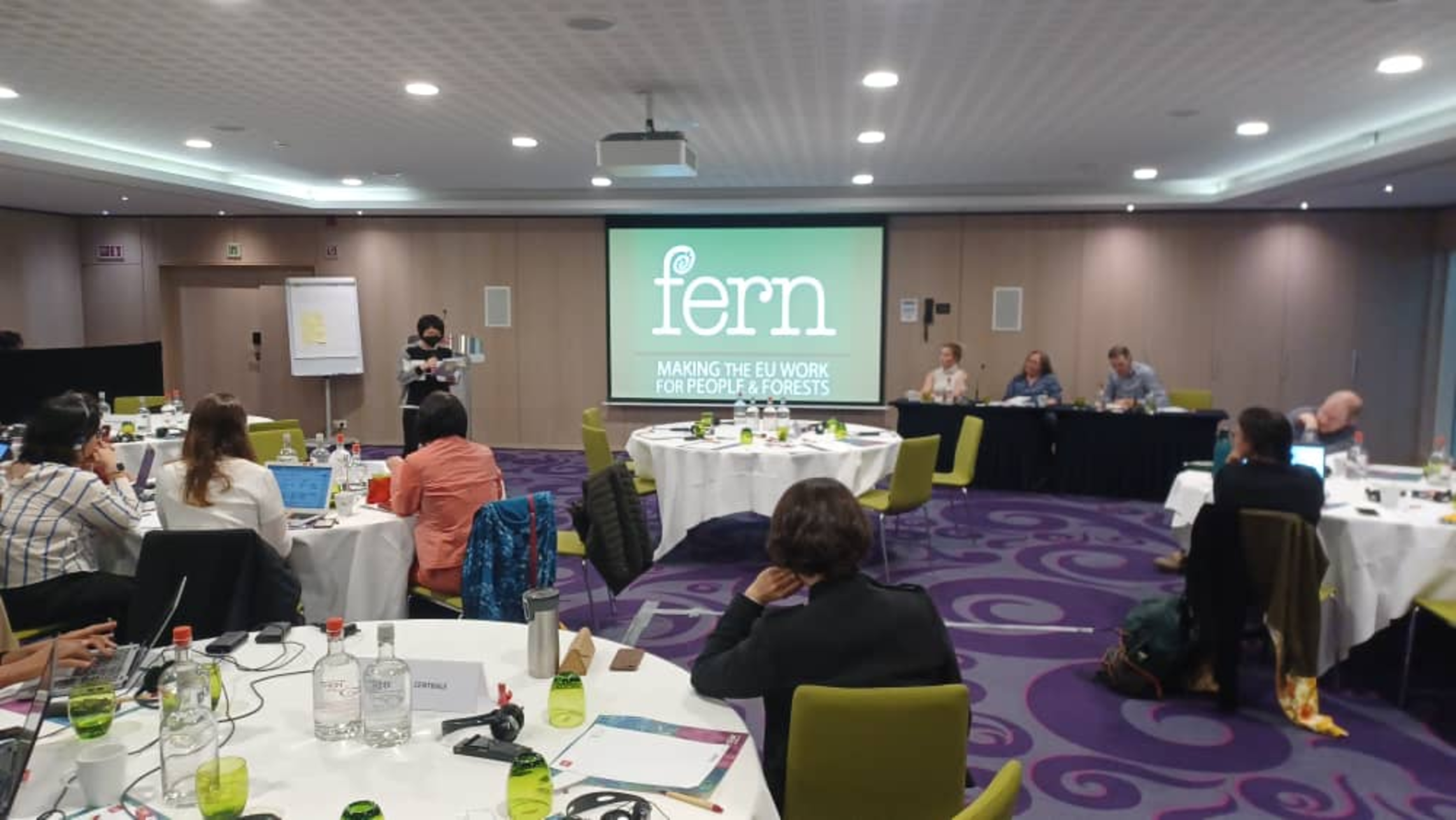
Featured image: Ms Ee Ling from the Malaysian Nature Society moderating and presenting on behalf of CSOs from South East Asia (Indonesia, Vietnam and Malaysia), highlighting each country’ policy opinions, views and status of FLEGT-VPA and REDD+ to UK Government and policy makers in the first day of the event.