New Call for Proposals in the Mediterranean Basin Biodiversity Hotspot
The Critical Ecosystem Partnership Fund (CEPF) has announced a new call for proposals for large grants in the Mediterranean Basin Biodiversity Hotspot. This funding opportunity launches today on the 5th March, 2025 and aims to support conservation efforts in seven eligible countries: Albania, Bosnia and Herzegovina, Cabo Verde, Montenegro, Morocco, Tunisia, and North Macedonia.
The Mediterranean Basin Biodiversity Hotspot is the second largest hotspot in the world and the largest of the world’s five Mediterranean-climate regions. The hotspot covers more than two million square kilometers and stretches west to east from Portugal to Iraq and north to south from Italy to Cabo Verde. The Mediterranean Basin is the third richest hotspot in the world in terms of plant diversity. Approximately 25,000 plant species occur here, more than half of which are endemic to the hotspot, meaning that they are found nowhere else.
The grants, ranging from US$50,000 to US$180,000, are available to non-governmental organisations, community groups, private enterprises, universities, and other civil society organisations. Projects are expected to commence no earlier than July 1, 2025, with applications due by April 11, 2025.
This funding initiative focuses on four strategic directions:
- Supporting local partnerships for coastal biodiversity conservation
- Promoting sustainable management of water catchments for freshwater biodiversity
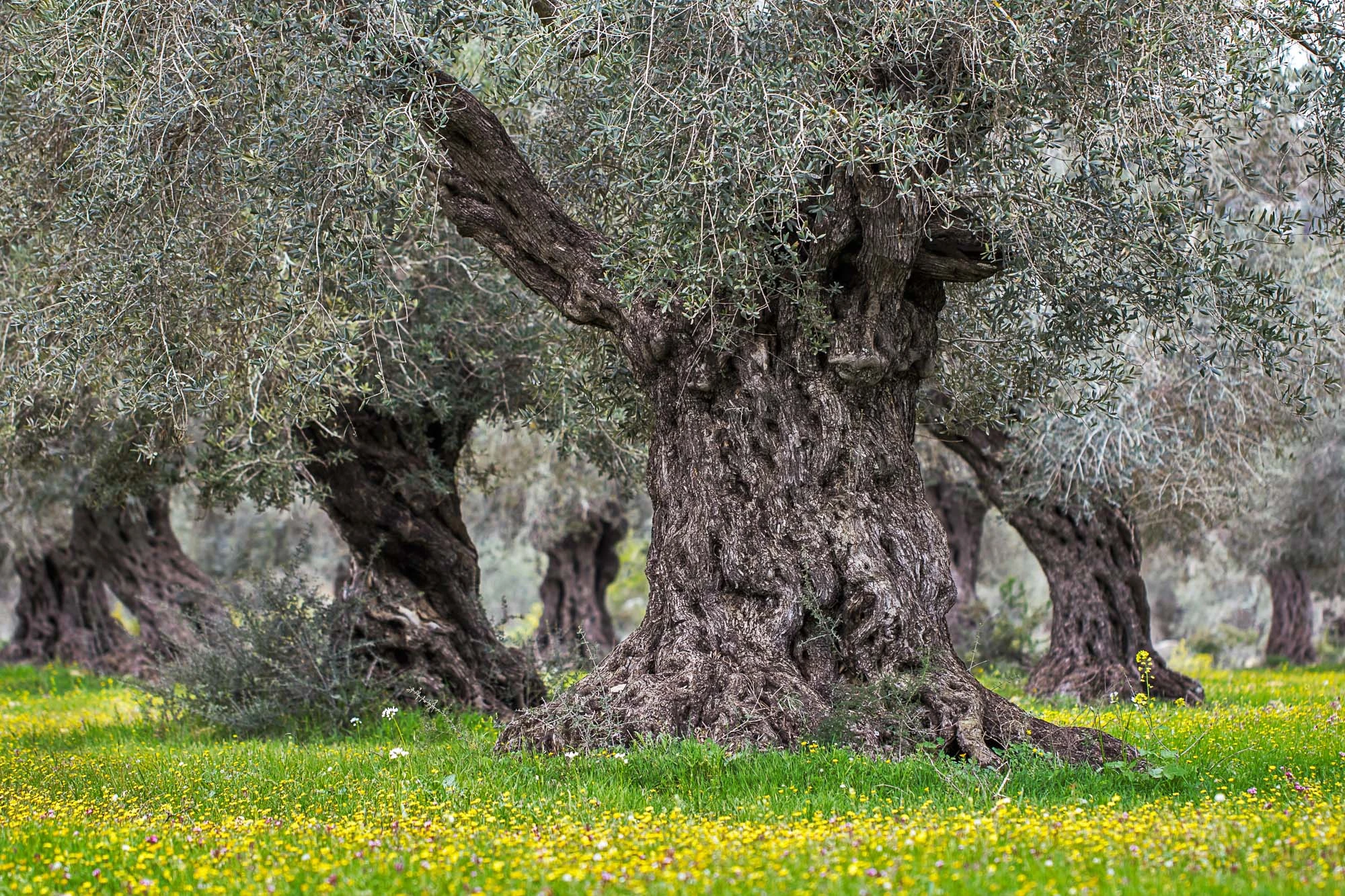
- Encouraging traditional land-use practices that maintain biodiversity in priority corridors
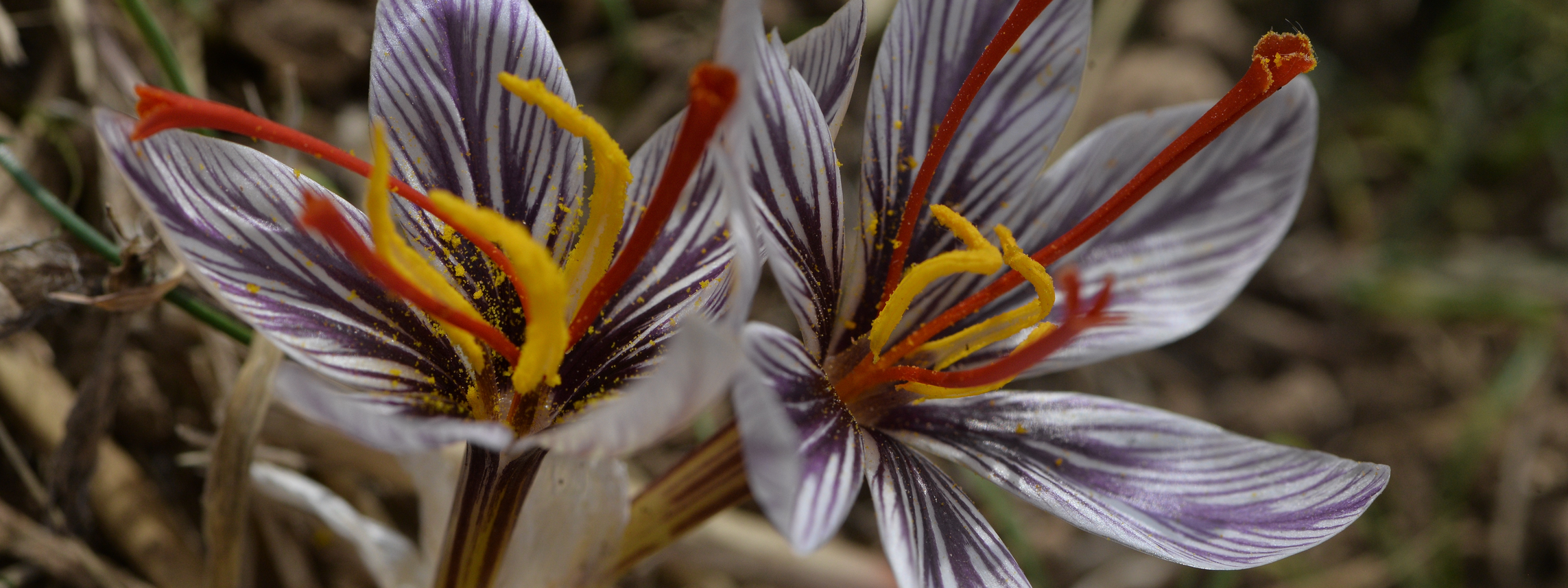
- Strengthening civil society engagement in plant conservation
Each strategic direction targets specific countries and ecosystems. Coastal and marine conservation efforts are prioritised in Cabo Verde, Morocco, and Tunisia. Freshwater biodiversity projects are sought in Albania, Bosnia and Herzegovina, Montenegro, and North Macedonia, with a focus on the Eastern Adriatic and Southwest Balkans corridors. The CEPF emphasises the importance of working with local communities and traditional resource managers, particularly in mountain landscapes. Projects in Morocco's Atlas and Rif Mountains, as well as the Southwest Balkans, are encouraged to support sustainable grazing practices and agricultural methods that preserve biodiversity. Plant conservation efforts are specifically targeted in Cabo Verde, with a focus on threatened species and site-restricted endemics. The fund aims to build capacity within the botanical community and improve plant conservation in protected areas.
Applicants are required to submit their proposals through the ConservationGrants website. More information is available in English, French, and Portuguese. The review process is expected to take approximately eight weeks, with successful applicants invited to develop full proposals. The CEPF encourages projects that integrate gender considerations and align with their safeguard policies.
To support potential applicants, the CEPF will host introductory webinars on March 20, 2025, in English, French, and Portuguese. Additionally, programme officers are available to discuss project ideas and eligibility criteria with interested parties. This funding opportunity represents a significant investment in biodiversity conservation across the Mediterranean Basin. By targeting specific ecosystems and encouraging collaboration with local communities, the CEPF aims to create lasting impact in one of the world's largest and most diverse biodiversity hotspots.
''This funding was crucial in allowing us to build on the achievements of Phase 1 and advance conservation efforts, including the development of a management plan and the nominations for KBA and RAMSAR. Our involvement in this project enabled us to engage local municipalities and activists to safeguard the unique biodiversity of the Bisri Valley. Additionally, the project has contributed to strengthening our institutional and organizational capacity.'' Organisation Terre Liban - Lebanon
''CEPF is the best donor that we ever worked with. Based on our experience working on this project, CEPF offers flexibility, CEPF is results-orientated and provides for great support to grantees, especially through the RIT teams, which makes it easier for the grantees to succeed to implement a successful project. Rather than having any recommendations for CEPF, the project team wishes that other donor agencies adopt CEPF practices for work with grantees.'' Milieukontakt Macedonia - North Macedonia